
Two Decades of Expertise in Freight & Logistics Solutions
Choosing the right shipping method is one of the most important decisions in logistics management. Businesses today must balance speed, cost, cargo safety, and reliability—especially as global supply chains become more complex in 2025. Understanding the differences between sea freight, air freight, and road freight helps you select the most efficient solution for your business needs.
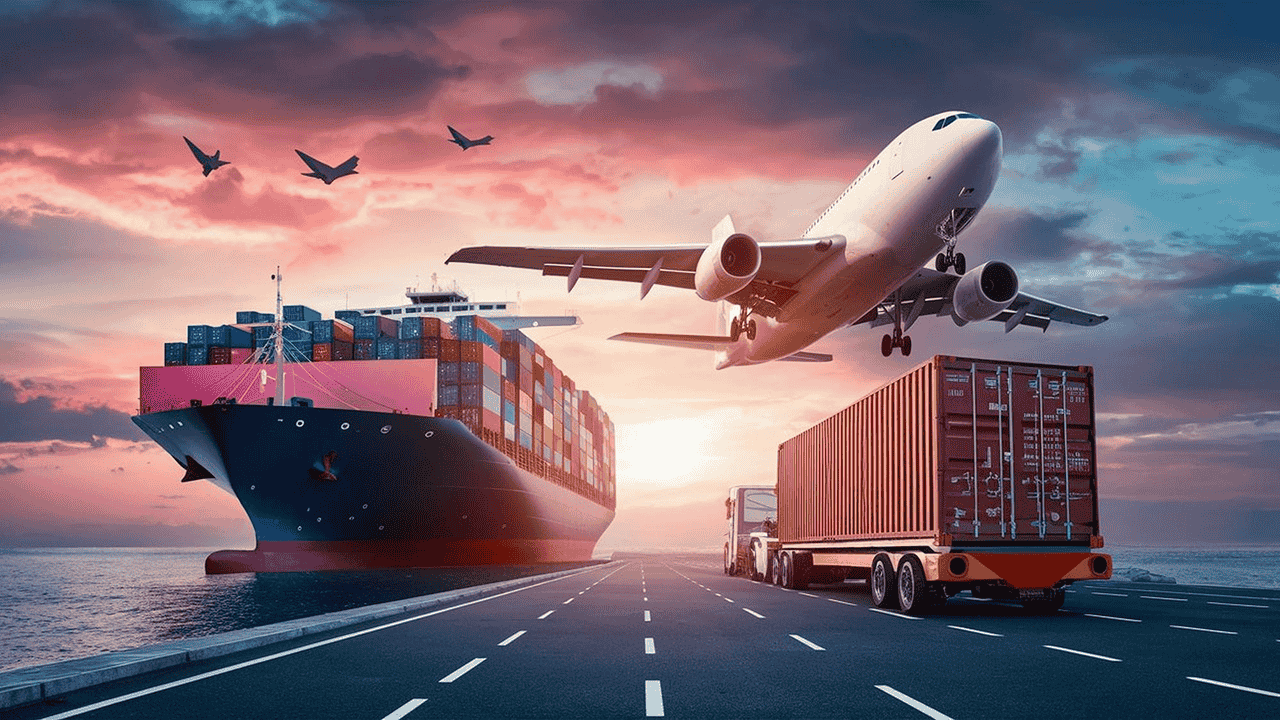
This guide explains sea, air, or road freight: which shipping solution is best for you, based on shipment type, budget, timelines, and operational priorities.
Understanding Freight Shipping Options
Each freight mode serves a specific purpose. There is no “one-size-fits-all” solution in logistics. The best shipping option depends on cargo volume, delivery urgency, distance, and destination.
Let’s explore sea freight, air freight, and road freight in detail to help you make an informed decision.
Sea Freight: Cost-Effective for Large and International Shipments
Sea freight is one of the most widely used shipping solutions for international trade. It is ideal for businesses that move large volumes of goods across continents.
Key Advantages of Sea Freight
Cost-effective for bulk and heavy cargo
Suitable for long-distance international shipping
Flexible options such as FCL (Full Container Load) and LCL (Less than Container Load)
Lower environmental impact per unit compared to air freight
Sea freight is commonly used for machinery, raw materials, consumer goods, and non-urgent shipments.
When Sea Freight Is the Best Choice
Sea freight is best if your business:
Ships large volumes regularly
Is focused on cost efficiency rather than speed
Can plan shipments well in advance
However, sea freight involves longer transit times and requires proper planning to avoid delays.
Air Freight: Speed and Reliability for Time-Critical Cargo
Air freight is the fastest shipping solution available and is ideal for urgent, high-value, or time-sensitive cargo.
Key Advantages of Air Freight
Fastest transit times
High reliability and predictable schedules
Reduced risk of damage or theft
Ideal for perishable or high-value goods
Industries such as pharmaceuticals, electronics, fashion, and automotive rely heavily on air freight for urgent deliveries.
When Air Freight Is the Best Choice
Air freight is best if your business:
Needs rapid delivery
Ships high-value or lightweight goods
Operates with tight deadlines
While air freight offers speed and efficiency, it is more expensive than sea or road freight, making it less suitable for bulk shipments.
Road Freight: Flexible and Efficient for Regional Transport
Road freight is a vital component of domestic and cross-border logistics. It offers flexibility and door-to-door delivery, making it ideal for regional transportation.
Key Advantages of Road Freight
Direct pickup and delivery
Flexible routing and scheduling
Cost-effective for short to medium distances
Ideal for last-mile and cross-border transport
Road freight is commonly used for FMCG products, retail distribution, construction materials, and industrial goods.
When Road Freight Is the Best Choice
Road freight is best if your business:
Ships within the same country or neighboring regions
Requires door-to-door delivery
Needs flexible scheduling
Road freight may face delays due to traffic, border procedures, or weather conditions, but it remains essential for regional logistics.
Sea, Air, or Road Freight: Which Shipping Solution Is Best for You?
To decide between sea, air, or road freight, businesses should evaluate several key factors.
1. Delivery Time
If speed is your top priority, air freight is the clear choice. Sea freight is suitable for planned shipments, while road freight balances speed and flexibility for regional deliveries.
2. Shipping Cost
Sea freight is the most economical for large shipments. Road freight offers competitive pricing for regional transport, while air freight is the most expensive but delivers unmatched speed.
3. Cargo Type
Heavy, oversized, or bulk cargo is best suited for sea freight. High-value or perishable goods benefit from air freight, while general cargo works well with road freight.
4. Distance and Destination
International long-distance shipments favor sea or air freight. Domestic and cross-border shipments are efficiently handled by road freight.
Combining Freight Modes for Better Efficiency
Many businesses today use multimodal logistics solutions, combining sea, air, and road freight to optimize performance.
For example:
Sea freight for international transport + road freight for final delivery
Air freight for urgent cargo + road freight for regional distribution
This approach improves efficiency, reduces costs, and enhances supply chain resilience.
Technology and Visibility in Freight Shipping
In 2025, freight shipping is driven by technology, transparency, and data-driven decision-making. Modern logistics providers offer:
Real-time shipment tracking
Digital documentation
Predictive delivery updates
These features help businesses manage shipments more effectively, regardless of whether they choose sea, air, or road freight.
Conclusion
Understanding sea, air, or road freight: which shipping solution is best for you helps businesses align logistics strategies with operational goals. Each shipping method has its strengths, and the right choice depends on cost, speed, cargo type, and destination.
By carefully evaluating your shipping requirements and working with an experienced freight partner, you can build a reliable, cost-effective, and future-ready logistics strategy in 2025 and beyond.